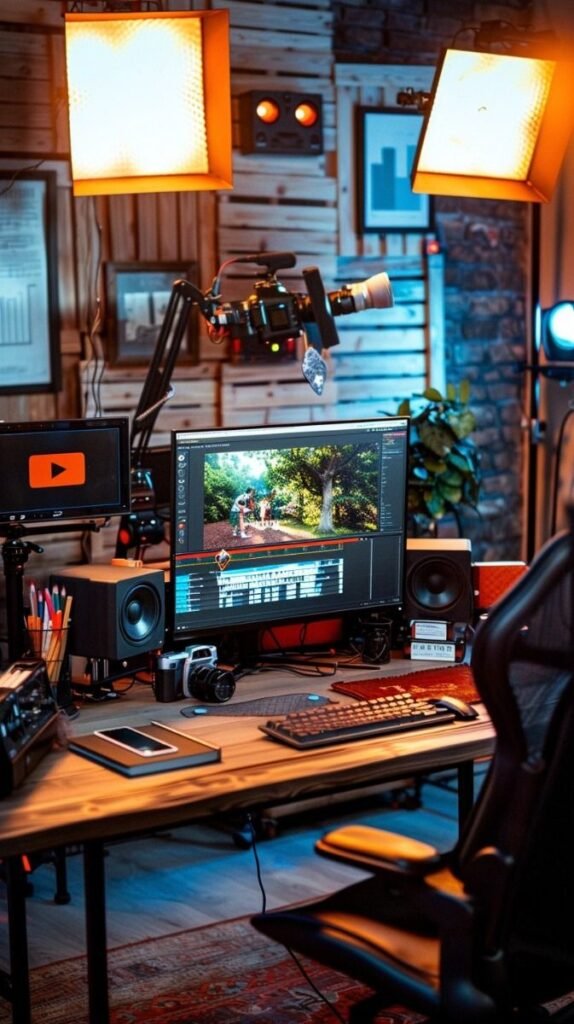
The world of Visual Effects (VFX) is undergoing a revolutionary transformation, and at the center of this change is Artificial Intelligence (AI). What once required weeks of manual work can now be achieved in hours with the help of intelligent tools and automation.
From Hollywood blockbusters to YouTube content, AI is redefining how visual effects are created, edited, and delivered. As we move into 2026 and beyond, AI is not replacing VFX artists it is empowering them to work faster, smarter, and more creatively.
In this article, we will explore the future of AI in VFX, key trends, career opportunities, and how institutes like MAAC KPHB are preparing students for this next generation of visual effects.
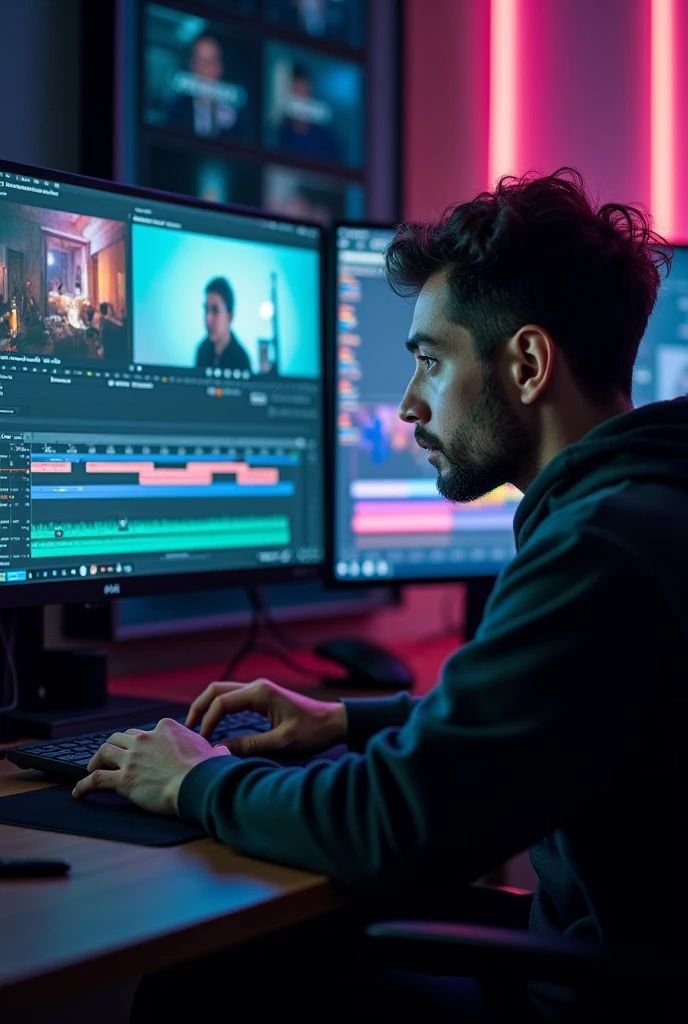
Photo editing is the process of altering, enhancing, or
Artificial Intelligence in VFX refers to the use of machine learning and automation to simplify and enhance the visual effects process.
AI reduces manual effort and allows artists to focus more on creativity and storytelling.
transforming images using software tools after they’ve been captured. It ranges from simple adjustments — cropping, brightness, contrast — to complex professional work like compositing, skin retouching, color grading, and object removal.
Basic editing involves quick fixes anyone can do on a smartphone: adjusting exposure, applying a preset filter, or cropping for social media. Professional photo editing, on the other hand, requires a deep understanding of color theory, light behavior, composition, and specialized software like Adobe Photoshop and Lightroom.
In the modern digital content economy, the quality of your image editing directly impacts how your audience perceives your brand, products, and creativity. Image editing skills are no longer optional — they’re a core competency for photographers, designers, marketers, and content creators alike.
The integration of AI in VFX is driven by the need for speed, efficiency, and high-quality output.
Studios are adopting AI to stay competitive in a fast-paced content-driven world.
Rotoscoping is one of the most time-consuming tasks in VFX.
This saves hours of effort for VFX artists.
AI-powered face replacement is becoming more advanced.
This technology is widely used in movies and web series.
Creating realistic backgrounds is now easier with AI.
AI tools can generate landscapes, cities, and environments in minutes.
AI is improving real-time rendering capabilities.
This is especially useful in virtual production and gaming.
.
AI enhances motion capture data for smoother animations.
This helps create realistic character performances.
AI is making editing smarter and faster.
Editors can now focus more on creativity rather than technical tasks.
One of the biggest concerns is whether AI will replace jobs.
AI will not replace VFX artists—but it will change how they work.
Artists who adapt to AI tools will have a strong advantage.
To succeed in the AI-driven VFX industry, you need:
The demand for skilled professionals is increasing.
The future of AI in Visual Effects is transforming the industry in ways we never imagined. From automating complex tasks to enhancing creativity, AI is becoming an essential part of the VFX pipeline.
Rather than replacing artists, AI is empowering them to achieve more in less time. The key to success in this evolving industry is to adapt, learn, and stay updated with the latest tools and technologies.
Institutes like MAAC KPHB play a crucial role in preparing students for this future by providing hands-on training, industry exposure, and career support.
If you are passionate about VFX and technology, now is the perfect time to step into this field and build a future-proof career.
Bussa Karthik Reddy is an experienced corporate trainer in Hyderabad, entrepreneur, and digital marketing expert with over 10 years in the industry. He focuses on professional training in Primavera P6, Microsoft Project, and BIM training. He helps students and professionals build strong careers in project management and construction technologies.
He founded Onclick Digital Marketing Services, JBK Academy, and Raster FX Studios. At these organizations, he provides job-oriented training in Hyderabad that emphasizes real-world skills, job placement support, and career growth. His skills also include lead generation through digital marketing, SEO strategies, and performance marketing. This makes him a well-rounded trainer in both technical and marketing fields.
As a Digital Marketing Trainer in Hyderabad and HR Manager at MAAC Kukatpally, he has hands-on experience with student placement, recruitment, and career development. This dual role helps him understand what the industry needs and train students with practical skills that are relevant to the job market.
With a strong passion for teaching, he has trained hundreds of students in BIM courses, project management tools, and digital marketing courses in Hyderabad. His aim is to help learners gain in-demand skills, improve their job prospects, and secure high-paying positions in competitive industries.