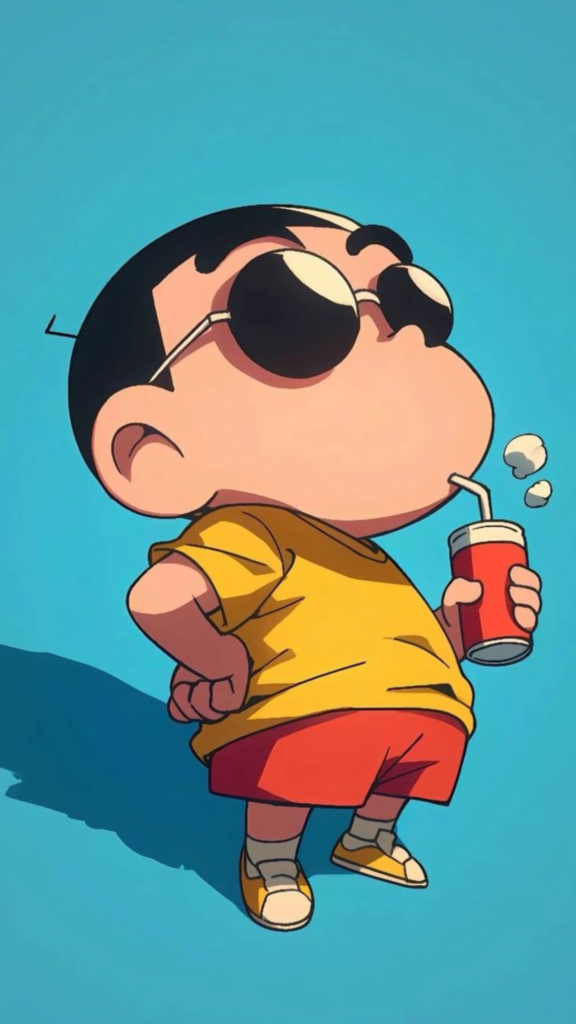
The animation industry has transformed dramatically over the past decade, evolving from simple 2D cartoons to highly advanced 3D visuals, cinematic VFX, and immersive digital experiences. In 2026, animation is no longer limited to movies and television it plays a crucial role in gaming, advertising, social media content, virtual reality (VR), augmented reality (AR), and even corporate presentations.
With platforms like YouTube, OTT services, and digital marketing channels growing rapidly, the demand for skilled animators is at an all-time high.
However, becoming a successful animator is not just about creativity or imagination. While storytelling and artistic skills are important, the real power lies in mastering the right animation software. These tools are what transform ideas into visually stunning outputs. Whether it’s creating lifelike characters, designing motion graphics, or producing high-end visual effects, professional animation software forms the backbone of the entire production process.
For beginners, choosing the right software can feel overwhelming. There are dozens of tools available, each designed for different purposes such as 3D animation, 2D animation, motion graphics, or VFX. Without proper guidance, many students waste time learning tools that are either outdated or not relevant to industry demands. This is why understanding the most important and industry-required animation software is the first step toward building a successful career.

Before diving into the tools, let’s understand why animation software matters.
Animation is not just about creativity it’s about execution. Professional software helps you:
Studios today demand professionals who are skilled in multiple tools. Learning industry-standard software increases your chances of getting hired in:
According to industry insights, animation and VFX professionals are in high demand across entertainment, gaming, and digital media sectors.
Moreover, learning these tools from a reputed training institute can make a significant difference. Institutes like MAAC KPHB focus on industry-oriented training, helping students gain hands-on experience with real-world projects rather than just theoretical knowledge. This practical exposure ensures that students are job-ready and confident in using professional tools required by studios and companies.
Another important factor to consider is the career scope of animation software skills. Professionals trained in tools like Autodesk Maya, Adobe After Effects, Blender, Toon Boom Harmony, and Cinema 4D can explore multiple career paths, including 3D animation, VFX, video editing, motion graphics, and game design.
These roles are not only creatively satisfying but also offer excellent earning potential, especially as the demand for digital content continues to rise globally.
In this article, we will explore the top 5 required software for animation in 2026, their features, industry applications, and why mastering these tools is essential for anyone looking to build a successful career in animation. Whether you are a beginner, student, or aspiring professional, this guide will help you understand which software to learn and how to get started the right way.
Autodesk Maya
Autodesk Maya is considered the gold standard in 3D animation. It is widely used in Hollywood movies, AAA games, and high-end VFX projects.
Maya is known for its powerful tools that allow animators to create realistic characters and environments. It is used in major film productions and gaming studios worldwide.
At MAAC KPHB, students receive hands-on training in Autodesk Maya, preparing them for real-world production environments.
Adobe After Effects
Adobe After Effects is the go-to software for motion graphics, compositing, and visual effects.
This software is widely used in:
Its seamless integration with tools like Photoshop and Premiere Pro makes it extremely powerful for creative professionals.
At MAAC KPHB, students learn practical motion graphics projects using After Effects to build strong portfolios.
Blender
Blender is one of the most popular free and open-source animation software available today.
Blender offers a complete animation pipeline and is widely used by freelancers and beginners due to its accessibility and powerful features.
Many students at MAAC KPHB start with Blender to understand animation basics before moving to advanced tools like Maya.
Toon Boom Harmony
Toon Boom Harmony is a leading software for 2D animation, used by top studios like Disney and Cartoon Network.
It is widely used in:
Harmony supports both traditional and modern animation workflows, making it a must-learn for 2D animators.
At MAAC KPHB, students get practical exposure to 2D animation pipelines using Toon Boom Harmony.
Cinema 4D is known for its ease of use and powerful motion graphics capabilities.
It is widely used in:
Cinema 4D is especially popular among designers and content creators for creating visually appealing animations.
Students at MAAC KPHB learn Cinema 4D to create professional-level motion graphics and branding content.
Choosing the right institute is just as important as choosing the right software.
MAAC KPHB is one of the leading animation and VFX training institutes that provides:
Students don’t just learn software—they build portfolio-ready projects that help them stand out in interviews.
Once you master these tools, you can explore multiple career paths:
With the rise of content creation, animation skills are becoming more valuable than ever.
Bussa Karthik Reddy is an experienced corporate trainer in Hyderabad, entrepreneur, and digital marketing expert with over 10 years in the industry. He focuses on professional training in Primavera P6, Microsoft Project, and BIM training. He helps students and professionals build strong careers in project management and construction technologies.
He founded Onclick Digital Marketing Services, JBK Academy, and Raster FX Studios. At these organizations, he provides job-oriented training in Hyderabad that emphasizes real-world skills, job placement support, and career growth. His skills also include lead generation through digital marketing, SEO strategies, and performance marketing. This makes him a well-rounded trainer in both technical and marketing fields.
As a Digital Marketing Trainer in Hyderabad and HR Manager at MAAC Kukatpally, he has hands-on experience with student placement, recruitment, and career development. This dual role helps him understand what the industry needs and train students with practical skills that are relevant to the job market.
With a strong passion for teaching, he has trained hundreds of students in BIM courses, project management tools, and digital marketing courses in Hyderabad. His aim is to help learners gain in-demand skills, improve their job prospects, and secure high-paying positions in competitive industries.