What Makes Good Animation? A Complete Guide for Beginners & Professionals

Introduction: Why Animation Matters More Than Ever

Animation is everywhere.


From the YouTube video you watched this morning to the Netflix series you binged last weekend — from brand explainer videos on Instagram to billion-dollar Pixar films — animation has become one of the most powerful forms of communication in the digital age.

But here’s the question that separates average animators from great ones:


 what makes good animation?

It’s not just about smooth movement or flashy visuals. Good animation tells a story, triggers emotion, and keeps an audience locked in — whether it’s a 15-second ad or a 2-hour feature film.

In this complete guide, we’ll break down every element that goes into creating exceptional animation — from core principles and character design to sound, software, and career opportunities. Whether you’re a beginner exploring your first animation course or a seasoned professional sharpening your animation skills, this guide is built for you.
What Is Animation? A Quick Overview

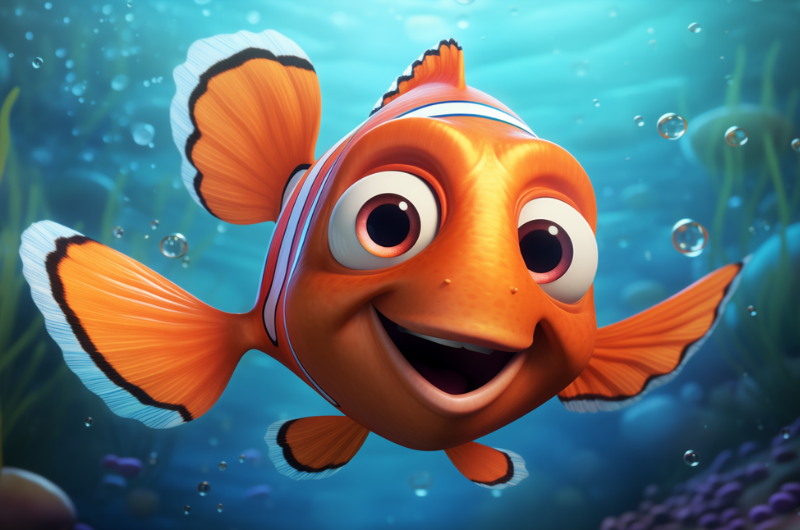
At its core, animation is the art of creating the illusion of movement by displaying a sequence of images or frames in rapid succession. The human eye perceives this sequence as fluid motion — that’s the magic.

Animation spans across multiple formats:

  • 2D Animation: Traditional frame-by-frame or digital (think classic cartoons)
  • 3D Animation: Computer-generated characters and environments (Pixar, game cinematics)
  • Motion Graphics: Animated text, shapes, and data visuals
  • Stop Motion: Physical objects photographed frame by frame
  • VFX Animation: Visual effects integrated into live-action footage

Each style has its own techniques, but all great animation shares a common set of qualities and that’s exactly what we’re here to explore.

1. Strong Storytelling: The Soul of Good Animation

No amount of technical skill can save a story that’s boring.

The most visually stunning animation will fall flat if the audience doesn’t care about what’s happening. Storytelling is the foundation of what makes good animation truly memorable.

Think about Spider-Man: Into the Spider-Verse. Its animation was groundbreaking — but what made audiences cry and cheer was the story of a kid trying to find his place in the world.

How to Build a Strong Narrative in Animation

  • Define your core message: What do you want the audience to feel or understand?
 
  • Create conflict and resolution: Even in a 60-second ad, there should be a problem and a solution
 
  • Build emotional connection: Characters should feel relatable, not just visually appealing
 
  • Use visual storytelling: Show, don’t tell; let the animation communicate without over-explaining
 

Whether you’re working on a short film, a brand video, or a social media reel story first, everything else second.

2. The 12 Principles of Animation Every Animator Must Know

Originally developed by Disney animators Ollie Johnston and Frank Thomas, the 12 principles of animation remain the gold standard for animation techniques across industries.

Here are the most critical ones:

Key Principles Explained

  • Squash & Stretch — Giving weight and flexibility to objects. A bouncing ball squashes on impact and stretches mid-air — this sells physical realism.
  • Anticipation — The preparation before an action. A character bends their knees before jumping. This makes movement feel intentional and believable.
  • Timing — The number of frames used for an action controls its speed and weight. Fewer frames = faster movement. More frames = slower, heavier motion.
  • Ease In / Ease Out — Objects naturally accelerate and decelerate. Avoiding this makes animation feel robotic and stiff.
  • Follow Through & Overlapping Action — Parts of a character continue moving after the main action stops (like hair or clothing). This adds life and realism.
  • Exaggeration — Pushing actions slightly beyond reality to emphasize emotion or comedy.
  • Appeal — Every character and frame should be engaging and pleasant to look at.

Mastering these principles is non-negotiable for anyone serious about learning animation.

3. Smooth Motion & Timing: The Difference Between Amateur and Pro

One of the clearest signs of poor animation? Stiff, robotic movement.

Smooth motion comes from understanding frame rate and in-betweening. Most professional animation runs at 24 frames per second (fps) for film, while web and game animation often runs at 30 or 60 fps.

Animation Tips for Beginners on Motion

  • Don’t skip in-betweens — they’re what make movement feel fluid
  • Use graph editors in your software to control easing
  • Study real-world movement references before animating
  • Avoid constant speed — vary the rhythm to create natural flow

Even the smallest twitch of a character’s finger, when timed correctly, can communicate more than a line of dialogue.

4. Character Design & Visual Appeal

Audiences fall in love with characters, not scenes.

A well-designed character is instantly recognizable, visually consistent, and emotionally expressive. Think of the simplicity of Gru from Despicable Me or the bold design of Arcane‘s characters — each choice in shape, proportion, and expression is deliberate.

What Makes Great Character Design

  • Silhouette clarity — Your character should be recognizable in shadow alone
  • Consistent proportions — Across all scenes, angles, and expressions
  • Expressive facial range — Can the character convey anger, joy, fear, and surprise convincingly?
  • Personality through design — Round shapes feel friendly; sharp angles feel threatening

Character design is a core animation skill that takes time to develop — but it’s one of the highest-value skills in the industry.

5. Color Psychology & Visual Style in Animation

Color isn’t decoration — it’s communication.

In animation, color sets the mood before a single character speaks. Dark blues and greys signal danger or sadness. Warm oranges and yellows feel energetic and hopeful. Muted, desaturated palettes suggest a grounded, realistic world.

Using Color Effectively

  • Define a limited color palette for each project and stick to it
  • Use contrast to draw attention to key elements
  • Ensure your style is consistent across all scenes — jarring color shifts break immersion
  • Study the color scripts of films like Coco or Inside Out to see intentional color storytelling in action

Your visual style — whether it’s flat 2D, painterly, or hyper-realistic 3D — should feel cohesive from the first frame to the last.

6. Sound Design & Music: The Invisible Half of Animation

Close your eyes during a great animated scene. The music, sound effects, and voice acting still tell the story.

Sound and animation are inseparable. A perfectly timed sound effect can make a punch feel powerful. The right musical score can make a quiet moment devastating.

Sound Elements That Elevate Animation

  • Background music — Sets emotional tone and pace
  • Sound effects (SFX) — Reinforce physical actions and build world-realism
  • Voice acting — The character’s voice must match their personality and design
  • Sync accuracy — Lip sync, footsteps, and action sounds must align precisely with visuals


Never treat audio as an afterthought — it’s half the experience.

7. Creativity & Originality: Your Style Is Your Superpower

In a world saturated with content, originality is what gets noticed.

Many beginner animators fall into the trap of copying trending styles or relying on pre-made templates. While learning from references is healthy, developing your own visual voice is what builds a lasting career and audience.

Ask yourself: What story can only I tell? What visual style feels authentically mine?


Originality doesn’t mean being different for the sake of it — it means being genuinely and consistently yourself in your creative choices.

8. Attention to Detail: The 1% That Makes 100% Difference

Great animators obsess over the small things.


  • The way light flickers across a character’s face
  • A subtle eye blink at the right moment
  • Fabric movement that reacts to wind
  • A background character that has their own personality
  •  

These details don’t shout — they whisper. But audiences feel them deeply, even when they can’t consciously identify why a scene feels so polished.

9. Animation Software: Choosing the Right Tools

The right tools won’t make you a great animator — but the wrong ones will slow you down. Here are the industry-standard tools worth learning:


SoftwareBest For
Adobe After EffectsMotion graphics, VFX, compositing
Blender3D animation, modeling, rendering (free)
Toon Boom HarmonyProfessional 2D animation
Autodesk MayaHigh-end 3D character animation
Adobe AnimateWeb and social media 2D animation


If you’re just starting an animation course or learning animation independently, Blender is an excellent free starting point for 3D, while Adobe Animate or Toon Boom works well for 2D beginners.

10. Optimizing Animation for Different Platforms

Good animation doesn’t live in one place. You need to adapt it for where it’ll be seen.


  • YouTube: Longer formats work; prioritize storytelling and quality audio
  • Instagram/Reels: Short, punchy, vertical-optimized with bold visuals in the first second
  • Ads: Clear CTA, brand colors, and message delivered within 6–15 seconds
  • Website/Landing Pages: Subtle looping animations that don’t distract from conversion.
 

Platform-aware animation is a crucial skill for anyone working in digital marketing or content creation.

11. Common Mistakes to Avoid in Animation

Even talented animators make these errors. Watch out for:

  • Overloading effects: Too many transitions or filters feel cheap, not creative
  • Poor timing: Rushing through key moments kills emotional impact
  • Weak storytelling: Technical brilliance without narrative purpose falls flat
  • Inconsistent style: Mixing styles mid-project feels unplanned
  • Ignoring sound: Audio mismatches destroy immersion instantly
  • Skipping reference: Always study real-world movement before animating it

12. Career Opportunities in Animation

The animation industry is growing faster than most people realize. Here’s where the demand is:

In-House & Studio Roles

  • 2D/3D Animator
  • Motion Graphics Designer
  • Character Designer
  • Storyboard Artist
  • VFX Artist

Freelancing & Digital Economy

  • YouTube animation channels
  • Brand explainer video production
  • Social media content creation
  • Online animation courses and tutorials
  • Game animation and mobile app design

With platforms like Fiverr, Upwork, and YouTube monetization, skilled animators can build six-figure freelance businesses. The demand for quality animation skills has never been higher.

About the Author:

Bussa Karthik Reddy is an experienced corporate trainer in Hyderabad, entrepreneur, and digital marketing expert with over 10 years in the industry. He focuses on professional training in Primavera P6, Microsoft Project, and BIM training. He helps students and professionals build strong careers in project management and construction technologies.

He founded Onclick Digital Marketing Services, JBK Academy, and Raster FX Studios. At these organizations, he provides job-oriented training in Hyderabad that emphasizes real-world skills, job placement support, and career growth. His skills also include lead generation through digital marketing, SEO strategies, and performance marketing. This makes him a well-rounded trainer in both technical and marketing fields.

As a Digital Marketing Trainer in Hyderabad and HR Manager at MAAC Kukatpally, he has hands-on experience with student placement, recruitment, and career development. This dual role helps him understand what the industry needs and train students with practical skills that are relevant to the job market.

With a strong passion for teaching, he has trained hundreds of students in BIM courses, project management tools, and digital marketing courses in Hyderabad. His aim is to help learners gain in-demand skills, improve their job prospects, and secure high-paying positions in competitive industries.