Video editing has become an essential part of modern digital content creation. From YouTube videos and social media reels to films, advertisements, corporate videos, documentaries, OTT content, and online education, video plays an important role in how people communicate and consume information.
As content formats continue to change, video editors are expected to do more than simply cut and arrange footage. Modern editors need to understand storytelling, pacing, sound, colour, graphics, motion, vertical content, and platform-specific requirements.
For students and beginners looking to build a career in video editing, understanding the latest trends can help identify the skills and workflows that are becoming increasingly useful.
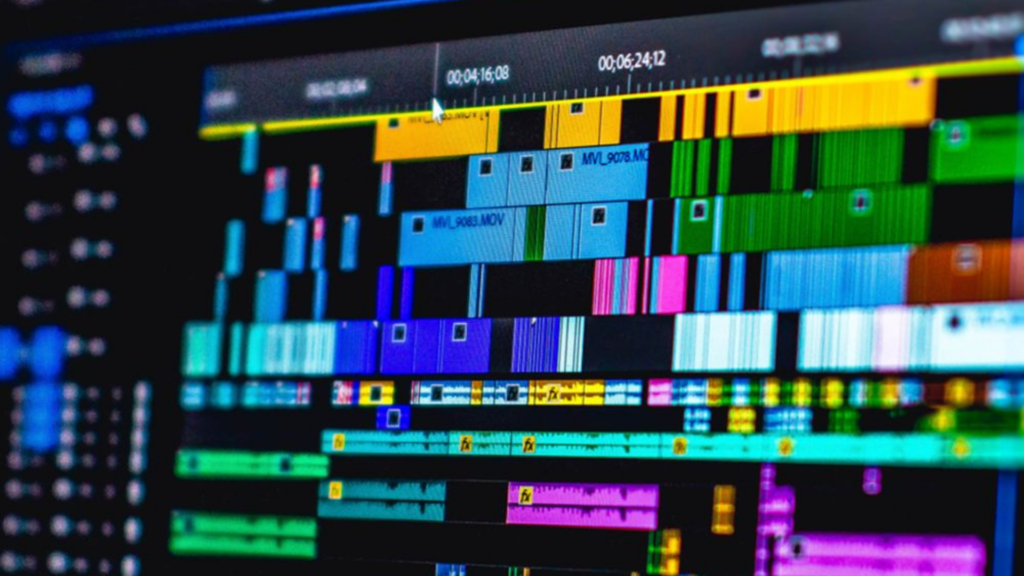
Video editing is the process of selecting, arranging, modifying, and combining video footage, audio, graphics, effects, and other visual elements to create a finished video.
A video editor may work with:
The goal is not simply to assemble clips but to create a video that communicates a clear message and keeps the audience engaged.
AI-assisted features are becoming increasingly common in modern editing workflows.
Depending on the software, AI-based tools can help with tasks such as transcription, caption generation, object detection, audio cleanup, masking, search, scene analysis, and other repetitive processes.
For editors, these tools can reduce time spent on routine work and allow more attention to be given to storytelling and creative decisions.
However, AI does not replace the need for editing fundamentals. Editors still need to understand pacing, composition, storytelling, sound, colour, and audience expectations.
Short-form content has changed the way editors approach storytelling.
Platforms such as YouTube Shorts, Instagram Reels, and other short-video formats require editors to communicate ideas quickly.
Successful short-form editing often focuses on:
Editors therefore need to understand how to tell a complete story within a limited duration.
Vertical video has become an important format for mobile-first content.
Editors need to consider the 9:16 format when positioning subjects, text, graphics, and important visual elements.
A video originally created for a widescreen format may require significant reframing before it works effectively as vertical content.
Colour is an important part of professional video editing.
Colour correction helps create consistency between different shots, while colour grading can establish a specific mood or visual style.
Modern editors may work with:
Understanding colour can significantly improve the professional appearance of a project.
Modern videos frequently combine recorded footage with animated graphic elements.
Editors may use:
This is why learning motion graphics alongside video editing can make an editor more versatile.
Captions have become an important part of digital video.
Many viewers watch videos without sound, particularly on mobile devices and social media platforms.
Editors can use animated captions, subtitles, highlighted words, and carefully timed text to make content easier to follow.
However, captions should remain readable and should not overwhelm the main visual content.
Immersive video formats require editors to think differently about traditional editing.
360-degree and VR content can involve specialised workflows for viewing, stitching, spatial presentation, and immersive storytelling.
These formats create opportunities for editors interested in emerging visual-media technologies.
Professional video editing is not only about visuals.
Poor sound can make an otherwise good video feel unprofessional.
Editors increasingly need to understand:
Good sound helps establish mood and improves the overall viewing experience.
Technology and software may change, but storytelling remains one of the most important editing skills.
A good editor understands:
This makes storytelling one of the most valuable long-term skills for video editors.
If you want to build a career in video editing, focus on developing a combination of technical and creative skills.
Important skills include:
Different projects require different software and workflows.
Popular professional editing workflows may include applications such as:
Beginners should avoid trying to learn every application at the same time.
A better approach is to understand editing fundamentals first, develop confidence with one primary editing workflow, and then add complementary tools.
Video editing and motion graphics are related but different skills.
Video Editing focuses primarily on arranging and refining recorded footage, audio, and other content.
Motion Graphics focuses on creating animated graphic elements such as typography, shapes, illustrations, logos, and visual information.
Many professional projects use both.
For example:
Video Footage + Video Editing + Motion Graphics + Sound Design
Learning both areas can help a creative professional work on a wider range of digital content.
Video editing skills can be used across multiple industries.
Possible career roles include:
Editors can work with production companies, advertising agencies, digital marketing companies, media organisations, YouTube creators, businesses, or as freelancers.
If you are searching for a Video Editing Course in Hyderabad, practical training can help you develop editing skills in a structured environment.
At MAAC KPHB, learners can explore video editing through short-term and related creative courses, including the YouTube Video Editing Course, Advance Compositing, Motion Graphics, Digital Filmmaking, and other creative-media programs. The current MAAC KPHB course structure specifically lists these related programs.
This allows learners to choose a learning path based on their interests, whether they want to focus on YouTube content, professional post-production, motion graphics, compositing, filmmaking, or broader digital-media production.