The gaming industry has evolved from a niche form of entertainment into a major digital-creative industry. Games are now developed for mobile devices, PCs, consoles, virtual environments, and other interactive platforms.
Behind every successful game is a team of creative and technical professionals who work on concepts, characters, environments, gameplay, levels, interfaces, animation, assets, sound, and overall player experience.
A game designer plays an important role in this process by helping define how a game works, how players interact with it, and how the overall experience is structured.
For students who enjoy gaming, creativity, storytelling, technology, and design, game design can be an interesting career direction.
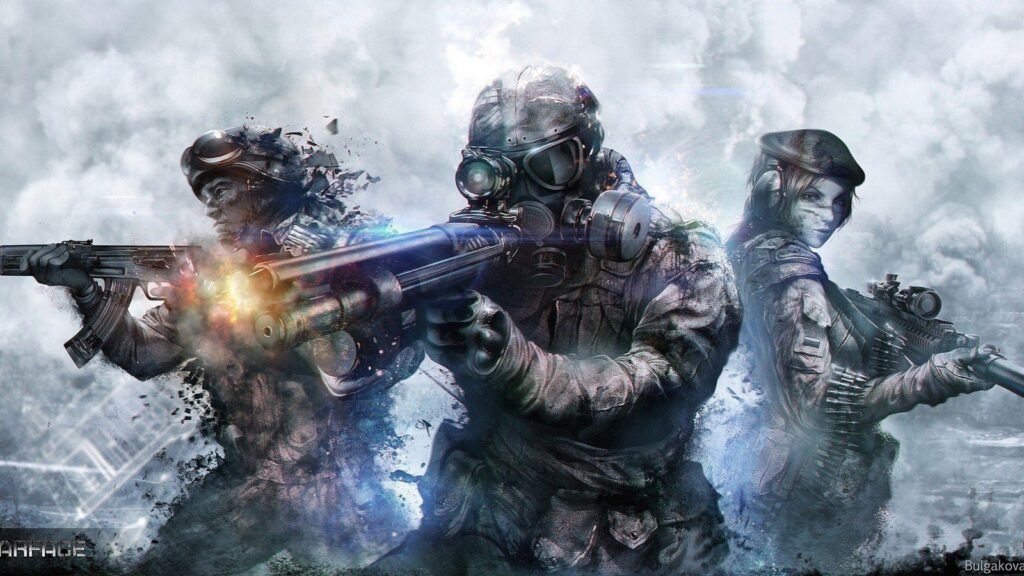
A game designer helps plan and develop the gameplay experience.
Depending on the role and studio, a game designer may work on:
Game design is different from simply playing games.
A professional game designer needs to understand why a game is enjoyable, how its systems work, how players interact with it, and how different elements contribute to the overall experience.
The career scope of game design extends beyond one job title.
As the gaming ecosystem grows, professionals can specialize in different areas depending on their interests and skills.
Possible career paths include:
The exact responsibilities can vary between studios and projects.
These roles are related but are not identical.
A game designer focuses more on the experience and systems of the game.
They may work on:
A game developer focuses more on implementing the game’s functionality through programming and technical systems.
Depending on the project, developers may work with:
In smaller teams, one person may work across multiple areas.
One of the advantages of learning game design is that you can specialize later.
A game designer develops gameplay ideas, mechanics, systems, and player experiences.
A level designer creates the structure and flow of game levels.
They consider:
Game artists create the visual assets used inside games.
This can include characters, environments, props, textures, and other visual elements.
A 3D game artist creates three-dimensional assets for games.
Important skills can include:
Environment artists create the worlds in which games take place.
They may build:
Character artists create the visual appearance of game characters.
This may involve:
Game UI/UX designers work on how players interact with menus, interfaces, controls, information systems, and other interactive elements.
Technical artists work between the artistic and technical sides of game production.
They may help optimise assets, improve workflows, solve technical art problems, and support artists and developers.
A successful game designer needs a combination of creative, analytical, and technical skills.
Important skills include:
You do not need to master everything immediately.
A good learning approach is to build strong fundamentals first and gradually specialise.
Game engines provide the environment in which interactive games and experiences can be created.
Two important engines used in modern game workflows are:
Unity is widely used for creating interactive games and digital experiences across different platforms.
Unreal Engine is widely used for high-quality real-time 3D experiences, games, visualisation, and other interactive applications.
MAAC KPHB’s APGDI Gaming Design course specifically includes Unity and Unreal Engine, along with game level design and game asset integration.
When choosing a video editing training institute in Kukatpally or KPHB, consider:
Mobile gaming represents an important part of the broader gaming ecosystem.
Mobile games require professionals who can work on:
MAAC KPHB’s PMGDI program specifically includes a mobile gaming specialization and covers areas such as mobile game level design and game monetization processes
India’s digital entertainment ecosystem includes gaming, animation, VFX, advertising, mobile content, and interactive media.
This creates opportunities for professionals with skills that combine creative design and technology.
A game design student can also explore adjacent fields such as:
Developing transferable skills can provide more flexibility when exploring career opportunities.
If you are searching for a Game Design Course in Hyderabad, practical training can help you build skills across game art, design, game engines, level design, and asset creation.
MAAC KPHB offers Gaming Design programs that cover areas such as Game Art & Design Fundamentals, Game Art & Design Advanced, Game Engines, mobile gaming, PC/console specializations, level design, asset integration, and related production workflows.
The APGDI program also covers Unity and Unreal Engine, while the wider gaming curriculum includes software and workflows involving tools such as Autodesk Maya, 3ds Max, Substance Painter, Quixel, ZBrush, and game-engine workflows.
This makes the course relevant for learners interested in game design, game art, 3D assets, level design, and interactive media.