What Makes A Good Animation
What Makes Good Animation? A Complete Guide for Beginners & Professionals Join Course Introduction: Why Animation Matters More Than Ever Animation is everywhere. From the YouTube video you watched this morning to the Netflix series you binged last weekend — from brand explainer videos on Instagram to billion-dollar Pixar films — animation has become one of the most powerful forms of communication in the digital age. But here’s the question that separates average animators from great ones: what makes good animation? It’s not just about smooth movement or flashy visuals. Good animation tells a story, triggers emotion, and keeps an audience locked in — whether it’s a 15-second ad or a 2-hour feature film. In this complete guide, we’ll break down every element that goes into creating exceptional animation — from core principles and character design to sound, software, and career opportunities. Whether you’re a beginner exploring your first animation course or a seasoned professional sharpening your animation skills, this guide is built for you. What Is Animation? A Quick Overview At its core, animation is the art of creating the illusion of movement by displaying a sequence of images or frames in rapid succession. The human eye perceives this sequence as fluid motion — that’s the magic. Animation spans across multiple formats: 2D Animation: Traditional frame-by-frame or digital (think classic cartoons) 3D Animation: Computer-generated characters and environments (Pixar, game cinematics) Motion Graphics: Animated text, shapes, and data visuals Stop Motion: Physical objects photographed frame by frame VFX Animation: Visual effects integrated into live-action footage Each style has its own techniques, but all great animation shares a common set of qualities and that’s exactly what we’re here to explore. 1. Strong Storytelling: The Soul of Good Animation No amount of technical skill can save a story that’s boring. The most visually stunning animation will fall flat if the audience doesn’t care about what’s happening. Storytelling is the foundation of what makes good animation truly memorable. Think about Spider-Man: Into the Spider-Verse. Its animation was groundbreaking — but what made audiences cry and cheer was the story of a kid trying to find his place in the world. How to Build a Strong Narrative in Animation Define your core message: What do you want the audience to feel or understand? Create conflict and resolution: Even in a 60-second ad, there should be a problem and a solution Build emotional connection: Characters should feel relatable, not just visually appealing Use visual storytelling: Show, don’t tell; let the animation communicate without over-explaining Whether you’re working on a short film, a brand video, or a social media reel story first, everything else second. 2. The 12 Principles of Animation Every Animator Must Know Originally developed by Disney animators Ollie Johnston and Frank Thomas, the 12 principles of animation remain the gold standard for animation techniques across industries. Here are the most critical ones: Key Principles Explained Squash & Stretch — Giving weight and flexibility to objects. A bouncing ball squashes on impact and stretches mid-air — this sells physical realism. Anticipation — The preparation before an action. A character bends their knees before jumping. This makes movement feel intentional and believable. Timing — The number of frames used for an action controls its speed and weight. Fewer frames = faster movement. More frames = slower, heavier motion. Ease In / Ease Out — Objects naturally accelerate and decelerate. Avoiding this makes animation feel robotic and stiff. Follow Through & Overlapping Action — Parts of a character continue moving after the main action stops (like hair or clothing). This adds life and realism. Exaggeration — Pushing actions slightly beyond reality to emphasize emotion or comedy. Appeal — Every character and frame should be engaging and pleasant to look at. Mastering these principles is non-negotiable for anyone serious about learning animation. 3. Smooth Motion & Timing: The Difference Between Amateur and Pro One of the clearest signs of poor animation? Stiff, robotic movement. Smooth motion comes from understanding frame rate and in-betweening. Most professional animation runs at 24 frames per second (fps) for film, while web and game animation often runs at 30 or 60 fps. Animation Tips for Beginners on Motion Don’t skip in-betweens — they’re what make movement feel fluid Use graph editors in your software to control easing Study real-world movement references before animating Avoid constant speed — vary the rhythm to create natural flow Even the smallest twitch of a character’s finger, when timed correctly, can communicate more than a line of dialogue. 4. Character Design & Visual Appeal Audiences fall in love with characters, not scenes. A well-designed character is instantly recognizable, visually consistent, and emotionally expressive. Think of the simplicity of Gru from Despicable Me or the bold design of Arcane‘s characters — each choice in shape, proportion, and expression is deliberate. What Makes Great Character Design Silhouette clarity — Your character should be recognizable in shadow alone Consistent proportions — Across all scenes, angles, and expressions Expressive facial range — Can the character convey anger, joy, fear, and surprise convincingly? Personality through design — Round shapes feel friendly; sharp angles feel threatening Character design is a core animation skill that takes time to develop — but it’s one of the highest-value skills in the industry. 5. Color Psychology & Visual Style in Animation Color isn’t decoration — it’s communication. In animation, color sets the mood before a single character speaks. Dark blues and greys signal danger or sadness. Warm oranges and yellows feel energetic and hopeful. Muted, desaturated palettes suggest a grounded, realistic world. Using Color Effectively Define a limited color palette for each project and stick to it Use contrast to draw attention to key elements Ensure your style is consistent across all scenes — jarring color shifts break immersion Study the color scripts of films like Coco or Inside Out to see intentional color storytelling in action Your visual style — whether it’s flat 2D, painterly, or hyper-realistic 3D — should feel cohesive from the first frame to the
Latest Techniques Of Multimedia
Latest Techniques of Multimedia: Trends, Tools & Career Opportunities in 2026 Join Course Introduction Multimedia has transformed the way we consume content today. From social media videos and animated ads to films and gaming, multimedia plays a crucial role in digital communication. With rapid technological advancements, staying updated with the latest techniques of multimedia is essential for students, professionals, and businesses. If you are looking to build a career in this field, enrolling in the best multimedia course in Hyderabad can help you gain industry-relevant skills. Institutes like MAAC Kukatpally (also known as MAAC KPHB) are leading the way in training students with modern multimedia techniques. The multimedia industry is constantly evolving. Traditional editing and animation methods are no longer enough. Modern tools and techniques help creators produce high-quality, engaging content. What Is Animation? A Quick Overview At its core, animation is the art of creating the illusion of movement by displaying a sequence of images or frames in rapid succession. The human eye perceives this sequence as fluid motion — that’s the magic. Animation spans across multiple formats: 2D Animation: Traditional frame-by-frame or digital (think classic cartoons) 3D Animation: Computer-generated characters and environments (Pixar, game cinematics) Motion Graphics: Animated text, shapes, and data visuals Stop Motion: Physical objects photographed frame by frame VFX Animation: Visual effects integrated into live-action footage Each style has its own techniques, but all great animation shares a common set of qualities and that’s exactly what we’re here to explore. 1. Motion Graphics & Kinetic Typography Motion graphics have become essential in marketing and branding. What it includes: Animated text (kinetic typography) Infographics Social media ads Why it matters: Grabs attention quickly Improves engagement rates Tools used: Adobe After Effects Premiere Pro Students at MAAC Kukatpally are trained in creating professional motion graphics for real-world projects. 2. 3D Animation & CGI (Computer Generated Imagery) 3D animation is widely used in movies, gaming, and advertisements. Applications: Animated films Product visualization Gaming characters Key Software: Autodesk Maya Blender This is a core part of any best multimedia course in Hyderabad. 3. Visual Effects (VFX) VFX is one of the most exciting areas in multimedia. Techniques include: Green screen compositing Rotoscoping Matchmoving Industries using VFX: Films OTT platforms Advertising Institutes like MAAC KPHB provide hands-on VFX training with industry-standard tools. 4. UI/UX Design & Interactive Media Modern multimedia is not just about visuals—it’s about user experience. Key concepts: User interface design User experience optimization Interactive animations Tools: Figma Adobe XD UI/UX is becoming a must-have skill for multimedia professionals. 5. Video Editing & Post-Production Video editing remains one of the most in-demand multimedia skills. Latest techniques: Seamless transitions Color grading AI-assisted editing Software: Adobe Premiere Pro DaVinci Resolve Students enrolled in the best animation course in Hyderabad learn advanced editing techniques to create professional-quality videos. 6. Augmented Reality (AR) & Virtual Reality (VR) AR and VR are revolutionizing multimedia. Applications: Gaming Education Virtual tours Marketing experiences These technologies are shaping the future of multimedia careers. 7. AI in Multimedia Artificial Intelligence is changing how multimedia content is created. AI applications: Automated video editing AI-generated animations Voice synthesis Learning AI tools gives you a competitive edge. 8. 2D Animation & Digital Illustration Despite new technologies, 2D animation is still widely used. Uses: Explainer videos Cartoon animation Educational content Tools: Adobe Animate Toon Boom Why Choose MAAC Kukatpally for Multimedia Training? When it comes to learning the latest multimedia techniques, MAAC Kukatpally stands out as a top choice. Key Advantages: 1. Industry-Oriented Curriculum Courses are designed based on current industry requirements. 2. Hands-On Practical Training Students work on real-time projects. 3. Expert Faculty Learn from experienced professionals 4. Advanced Software Training The design must align with the brand’s industry, audience, and values. A children’s toy brand and a law firm require fundamentally different visual languages. 5. Placement Assistance Strong support for job opportunities in top companies. 6. Prime Location in KPHB MAAC KPHB is easily accessible for students across Hyderabad.A logo must differentiate. It cannot resemble competitors’ marks or generic stock icons. Original concepts create real brand equity. Enroll now or book a free demo class today! About the Author: Bussa Karthik Reddy is an experienced corporate trainer in Hyderabad, entrepreneur, and digital marketing expert with over 10 years in the industry. He focuses on professional training in Primavera P6, Microsoft Project, and BIM training. He helps students and professionals build strong careers in project management and construction technologies. He founded Onclick Digital Marketing Services, JBK Academy, and Raster FX Studios. At these organizations, he provides job-oriented training in Hyderabad that emphasizes real-world skills, job placement support, and career growth. His skills also include lead generation through digital marketing, SEO strategies, and performance marketing. This makes him a well-rounded trainer in both technical and marketing fields. As a Digital Marketing Trainer in Hyderabad and HR Manager at MAAC Kukatpally, he has hands-on experience with student placement, recruitment, and career development. This dual role helps him understand what the industry needs and train students with practical skills that are relevant to the job market. With a strong passion for teaching, he has trained hundreds of students in BIM courses, project management tools, and digital marketing courses in Hyderabad. His aim is to help learners gain in-demand skills, improve their job prospects, and secure high-paying positions in competitive industries.
Latest Trends Of Animation
Latest Trends in Animation 2026: A Complete Guide for Creators, Students & Professionals Join Course Introduction: Animation Is Evolving Faster Than Ever And It’s Only Getting Started Every scroll, every stream, every brand campaign you see today has one thing in common animation is everywhere. From the motion graphics in a 15-second Instagram reel to the breathtaking VFX in a Netflix original, from an explainer video on a startup’s landing page to an immersive VR experience you can step inside animation has quietly become the most versatile storytelling tool of the digital age. And in 2026, it’s going through its most exciting transformation yet. Video content is expected to make up 82% of all internet traffic in 2026. That’s not just a statistic — that’s a creative opportunity of enormous proportions. Whether you’re an animator, a brand, a content creator, or a student building your skills, understanding where animation is heading isn’t optional anymore. It’s the difference between work that connects and work that gets scrolled past. So what are the animation trends shaping 2026? What’s driving them? And what do they mean for how you create, market, and grow? This complete guide covers everything from AI workflows and hybrid styles to handcrafted revivals, real-time rendering, and career opportunities emerging from these shifts. The State of Animation in 2026: A Quick Picture Before diving into individual trends, here’s where the industry stands: The global animation market is projected to grow at over 5% CAGR, reflecting strong investment in visual storytelling across digital platforms. Compared to live-action production, 2D animation often reduces production costs by 25–40% while maintaining full creative control.That cost advantage, combined with rising demand, is driving businesses of all sizes to invest in animation like never before. In 2026, AI is accelerating production workflows, VR is enabling immersive storytelling, and 3D animation continues to push realism and stylistic depth giving animators greater creative freedom and allowing audiences to engage more deeply with animated worlds. Let’s unpack each major trend one by one. Trend 1: AI-Assisted Workflows The Creative Accelerator No trend in animation is more talked about, more debated, or more misunderstood than artificial intelligence. Let’s cut through the noise. AI in 2026 is not replacing animators. It’s reshaping how they work. AI has evolved from being a simple editing helper to a true creative partner, now supporting every stage of production from concept and storyboarding to editing and video generation. In 2026, AI acts less as a replacement for artists and more as a workflow accelerator. It helps with simulation previews using machine learning to approximate complex simulations like smoke, fire, and water before final refinement and supports asset management, tracking, and versioning across pipelines. What AI Is Actually Doing in Animation Studios Automating lip-syncing and in-between frame generation Suggesting camera angles and scene composition during pre-production Speeding up motion graphics, layout changes, and versioning Generating character expressions based on dialogue context The Human Factor Still Wins While AI is being implemented by most companies in some capacity, 82.1% of people can still spot AI-generated content — which means relying entirely on AI isn’t an effective strategy. The strongest workflows treat AI as a collaborator, not a creative director. In 2026, the most compelling animation is not automated — it’s guided, shaped, and authored by humans using technology with intention. The takeaway? Learn to work with AI tools. But never outsource your creative voice to them. Trend 2: Hybrid 2D/3D Animation The New Visual Language The debate of “2D vs. 3D” is officially over. In 2026, the most exciting work lives in the space between them. The mixture of 2D and 3D animation is creating a bold, hybrid visual language that’s defining animation trends in 2026. Studios are merging 2D-style textures with 3D models, or layering hand-drawn elements over digital scenes to create a fresh, stylized universe. Hybrid animation throws out the rulebook and blends techniques to create something entirely new and visually striking including 2D characters in 3D environments, 3D models with 2D textures, cel-shading 3D models to appear more stylized, and 2D effects layered over 3D animation like hand-drawn sparks or explosions. Think of the visual charm of vintage cartoons colliding with the depth of next-generation 3D rendering. That’s the aesthetic that’s winning audiences in 2026 and it’s being adopted by brands, studios, and independent creators alike. As tools like Spline and Blender become more accessible, more teams experiment with 3D in smaller, more flexible ways, lowering the barrier to entry so creators can explore dimensional motion without heavy production overhead. Trend 3: The Handcrafted Revival Imperfection Is the New Luxury Here’s the most surprising animation trend of 2026: in a world flooded with slick AI-generated visuals, rough edges are winning. In 2026, hand-drawn animation, visible frames, texture, and subtle wobble are used to signal authenticity, not roughness. As AI-generated visuals and templates flood feeds, polish has become predictable and designers are responding by reintroducing the human touch and pushing back against hyper-perfection. Imperfect motion feels alive. And in a world where anything can be automated, that sense of humanity is the real luxury. This is showing up across brand animation, social media content, and indie film — anywhere that audiences are craving something that feels genuinely made by human hands. Stop-motion is experiencing a revival for exactly this reason. Stop-motion animation has a charm and texture that digital simply can’t fake. There’s something about knowing those characters and scenes were physically built by human hands that creates an emotional connection that resonates deeply with audiences. Trend 4: Real-Time Rendering and Virtual Production Real-time rendering has crossed from the gaming world into professional animation studios and it’s changing everything about production speed and collaboration. With tools like Unity and Unreal Engine, animators can see an entire scene live, adjust lights on the fly, and try out virtual camera angles in seconds. Not only is it quicker it’s more collaborative and more iterative. Real-time rendering has moved far
Future Of Animation
The Future of Animation in 2026 and Beyond Join Course The Future of Animation in 2026 and Beyond Animation is everywhere. Animation is no longer just about cartoons or entertainment—it has become one of the most powerful tools shaping digital experiences across industries. From blockbuster films and OTT platforms to gaming, advertising, and virtual reality, animation is driving innovation everywhere. As we move into 2026 and beyond, the animation industry is undergoing a massive transformation fueled by technology, creativity, and global demand. If you are planning to build a career in animation, understanding its future is essential. In this article, we will explore the future of animation, emerging trends, career opportunities, and how learning from institutes like MAAC KPHB can help you stay ahead in this competitive field. Students gain real-world experience, which is essential to succeed in the competitive animation industry. Why Animation is the Future The global demand for animation is growing rapidly due to the explosion of digital content. Businesses, creators, and brands are constantly looking for engaging visuals to capture audience attention. Key Reasons for Growth: Rise of OTT platforms like Netflix, Prime Video Growth of YouTube and content creators Expansion of gaming industry Demand for digital marketing content Use of animation in education and training Animation is no longer optional—it’s a necessity for communication, branding, and storytelling. 1. AI-Powered Animation Artificial Intelligence is revolutionizing animation workflows. Tasks that once took hours can now be completed in minutes. What AI Can Do: Auto character rigging Motion tracking and lip-sync Background generation Scene enhancement AI tools are helping animators focus more on creativity rather than repetitive technical work. At MAAC KPHB, students are introduced to modern workflows that combine creativity with emerging technologies like AI. 2. Real-Time Rendering & Game Engines Game engines like Unreal Engine and Unity are changing how animation is produced. Benefits: Faster production time Real-time previews High-quality cinematic output Real-time rendering is widely used in: Film production Virtual sets Gaming and simulations This trend is making animation production faster and more efficient than ever before. 3. Rise of Virtual Production Virtual production combines real-world filming with digital environments. Where It’s Used: Movies Web series Advertising Instead of shooting on physical locations, creators use LED screens and 3D environments. This reduces cost and increases flexibility in filmmaking. 4. Growth of AR, VR & Metaverse The future of animation is deeply connected with immersive technologies. Applications: Virtual Reality (VR) games Augmented Reality (AR) apps Metaverse experiences Animation is the backbone of these technologies, creating interactive and engaging digital worlds. 5. Demand for Motion Graphics & Short Content Short-form content is dominating platforms like Instagram, YouTube Shorts, and TikTok. Why Motion Graphics Are Growing: Easy to consume Highly engaging Perfect for marketing Brands are investing heavily in animated ads, explainer videos, and social media content. Students at MAAC KPHB learn motion graphics tools like After Effects and Cinema 4D to meet this growing demand. Career Opportunities in the Future of Animationr With the industry expanding, career opportunities are also increasing. Popular Job Roles: 3D Animator VFX Artist Motion Graphics Designer Game Designer Video Editor Compositor Industries Hiring Animators: Film & OTT platforms Gaming companies Advertising agencies Digital marketing firms EdTech companies Animation professionals are now needed across multiple sectors, not just entertainment. Salary & Earning Potential Animation is becoming a high-paying career, especially for skilled professionals. Average Salary in India: Beginner: ₹2.5 – ₹5 LPA Mid-Level: ₹5 – ₹10 LPA Experienced: ₹10+ LPA Freelancers and content creators can earn even more depending on their skills and client base. Career Opportunities in Animation The animation industry is growing faster than most people realize. Here’s where the demand is: In-House & Studio Roles 2D/3D Animator Motion Graphics Designer Character Designer Storyboard Artist VFX Artist Freelancing & Digital Economy YouTube animation channels Brand explainer video production Social media content creation Online animation courses and tutorials Game animation and mobile app design With platforms like Fiverr, Upwork, and YouTube monetization, skilled animators can build six-figure freelance businesses. The demand for quality animation skills has never been higher. Enroll now or book a free demo class today! About the Author: Bussa Karthik Reddy is an experienced corporate trainer in Hyderabad, entrepreneur, and digital marketing expert with over 10 years in the industry. He focuses on professional training in Primavera P6, Microsoft Project, and BIM training. He helps students and professionals build strong careers in project management and construction technologies. He founded Onclick Digital Marketing Services, JBK Academy, and Raster FX Studios. At these organizations, he provides job-oriented training in Hyderabad that emphasizes real-world skills, job placement support, and career growth. His skills also include lead generation through digital marketing, SEO strategies, and performance marketing. This makes him a well-rounded trainer in both technical and marketing fields. As a Digital Marketing Trainer in Hyderabad and HR Manager at MAAC Kukatpally, he has hands-on experience with student placement, recruitment, and career development. This dual role helps him understand what the industry needs and train students with practical skills that are relevant to the job market. With a strong passion for teaching, he has trained hundreds of students in BIM courses, project management tools, and digital marketing courses in Hyderabad. His aim is to help learners gain in-demand skills, improve their job prospects, and secure high-paying positions in competitive industries.
Top 5 Required Softwares To Learn Animation
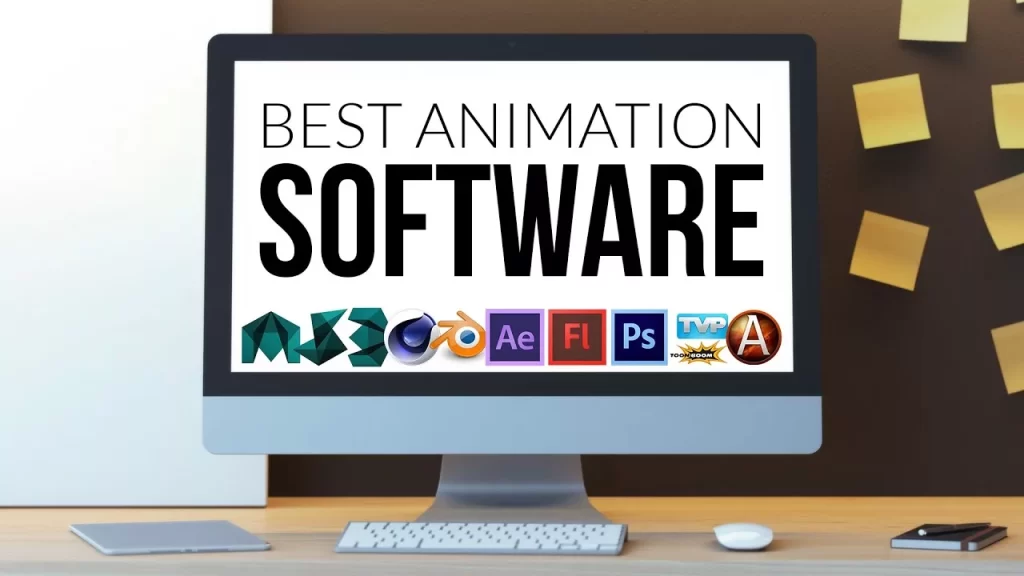
Top 5 Required Software for Animation in 2026 Join Course Introduction The animation industry has transformed dramatically over the past decade, evolving from simple 2D cartoons to highly advanced 3D visuals, cinematic VFX, and immersive digital experiences. In 2026, animation is no longer limited to movies and television it plays a crucial role in gaming, advertising, social media content, virtual reality (VR), augmented reality (AR), and even corporate presentations. With platforms like YouTube, OTT services, and digital marketing channels growing rapidly, the demand for skilled animators is at an all-time high. However, becoming a successful animator is not just about creativity or imagination. While storytelling and artistic skills are important, the real power lies in mastering the right animation software. These tools are what transform ideas into visually stunning outputs. Whether it’s creating lifelike characters, designing motion graphics, or producing high-end visual effects, professional animation software forms the backbone of the entire production process. For beginners, choosing the right software can feel overwhelming. There are dozens of tools available, each designed for different purposes such as 3D animation, 2D animation, motion graphics, or VFX. Without proper guidance, many students waste time learning tools that are either outdated or not relevant to industry demands. This is why understanding the most important and industry-required animation software is the first step toward building a successful career. Why Learning Animation Software is Important Before diving into the tools, let’s understand why animation software matters. Animation is not just about creativity it’s about execution. Professional software helps you: Create realistic characters and environments Produce high-quality visual effects Work on industry-level projects Get job-ready skills Studios today demand professionals who are skilled in multiple tools. Learning industry-standard software increases your chances of getting hired in: Film industry Gaming studios Advertising agencies YouTube content creation Freelancing & remote work According to industry insights, animation and VFX professionals are in high demand across entertainment, gaming, and digital media sectors. Moreover, learning these tools from a reputed training institute can make a significant difference. Institutes like MAAC KPHB focus on industry-oriented training, helping students gain hands-on experience with real-world projects rather than just theoretical knowledge. This practical exposure ensures that students are job-ready and confident in using professional tools required by studios and companies. Another important factor to consider is the career scope of animation software skills. Professionals trained in tools like Autodesk Maya, Adobe After Effects, Blender, Toon Boom Harmony, and Cinema 4D can explore multiple career paths, including 3D animation, VFX, video editing, motion graphics, and game design. These roles are not only creatively satisfying but also offer excellent earning potential, especially as the demand for digital content continues to rise globally. In this article, we will explore the top 5 required software for animation in 2026, their features, industry applications, and why mastering these tools is essential for anyone looking to build a successful career in animation. Whether you are a beginner, student, or aspiring professional, this guide will help you understand which software to learn and how to get started the right way. 1. Autodesk Maya – Industry Standard Software Autodesk Maya Autodesk Maya is considered the gold standard in 3D animation. It is widely used in Hollywood movies, AAA games, and high-end VFX projects. Key Features: Advanced 3D modeling and sculpting Character rigging and animation Realistic rendering with Arnold Simulation of hair, cloth, and fluids Maya is known for its powerful tools that allow animators to create realistic characters and environments. It is used in major film productions and gaming studios worldwide. Why You Should Learn Maya: High demand in studios Best for professional animation careers Essential for film and gaming industry At MAAC KPHB, students receive hands-on training in Autodesk Maya, preparing them for real-world production environments. 2. Adobe After Effects – Motion Graphics & VFX Adobe After Effects Adobe After Effects is the go-to software for motion graphics, compositing, and visual effects. Key Features: Motion graphics design Video compositing Visual effects creation Integration with Adobe Creative Cloud This software is widely used in: YouTube videos Advertisements Film post-production Its seamless integration with tools like Photoshop and Premiere Pro makes it extremely powerful for creative professionals. Why You Should Learn After Effects: High demand in digital marketing Perfect for content creators Essential for VFX and editing At MAAC KPHB, students learn practical motion graphics projects using After Effects to build strong portfolios. 3. Blender – Free & Powerful Animation Tool Blender Blender is one of the most popular free and open-source animation software available today. Key Features: 3D modeling and sculpting Animation and rigging Rendering and compositing Video editing Blender offers a complete animation pipeline and is widely used by freelancers and beginners due to its accessibility and powerful features. Why You Should Learn Blender: Free to use Beginner-friendly Strong community support Many students at MAAC KPHB start with Blender to understand animation basics before moving to advanced tools like Maya. 4. Toon Boom Harmony – Best for 2D Animation Toon Boom Harmony Toon Boom Harmony is a leading software for 2D animation, used by top studios like Disney and Cartoon Network. Key Features: Frame-by-frame animation Rig-based animation Advanced drawing tools Visual effects integration It is widely used in: Cartoon production TV animation Web series Harmony supports both traditional and modern animation workflows, making it a must-learn for 2D animators. Why You Should Learn Toon Boom: Best for cartoon animation Industry-standard for 2D High demand in studios At MAAC KPHB, students get practical exposure to 2D animation pipelines using Toon Boom Harmony. 5. Cinema 4D – Motion Graphics & Design Cinema 4D is known for its ease of use and powerful motion graphics capabilities. Key Features: Easy-to-use interface Mograph tools for motion design 3D modeling and rendering Integration with After Effects It is widely used in: Advertising Broadcast graphics Social media content Cinema 4D is especially popular among designers and content creators for creating visually appealing animations. Why You Should Learn Cinema 4D: Ideal for beginners in
Future of Animation In India
The Future of Animation in 2026 and Beyond Join Course The Future of Animation in 2026 and Beyond Animation is everywhere. Animation is no longer just about cartoons or entertainment—it has become one of the most powerful tools shaping digital experiences across industries. From blockbuster films and OTT platforms to gaming, advertising, and virtual reality, animation is driving innovation everywhere. As we move into 2026 and beyond, the animation industry is undergoing a massive transformation fueled by technology, creativity, and global demand. If you are planning to build a career in animation, understanding its future is essential. In this article, we will explore the future of animation, emerging trends, career opportunities, and how learning from institutes like MAAC KPHB can help you stay ahead in this competitive field. Students gain real-world experience, which is essential to succeed in the competitive animation industry. Why Animation is the Future The global demand for animation is growing rapidly due to the explosion of digital content. Businesses, creators, and brands are constantly looking for engaging visuals to capture audience attention. Key Reasons for Growth: Rise of OTT platforms like Netflix, Prime Video Growth of YouTube and content creators Expansion of gaming industry Demand for digital marketing content Use of animation in education and training Animation is no longer optional—it’s a necessity for communication, branding, and storytelling. 1. AI-Powered Animation Artificial Intelligence is revolutionizing animation workflows. Tasks that once took hours can now be completed in minutes. What AI Can Do: Auto character rigging Motion tracking and lip-sync Background generation Scene enhancement AI tools are helping animators focus more on creativity rather than repetitive technical work. At MAAC KPHB, students are introduced to modern workflows that combine creativity with emerging technologies like AI. 2. Real-Time Rendering & Game Engines Game engines like Unreal Engine and Unity are changing how animation is produced. Benefits: Faster production time Real-time previews High-quality cinematic output Real-time rendering is widely used in: Film production Virtual sets Gaming and simulations This trend is making animation production faster and more efficient than ever before. 3. Rise of Virtual Production Virtual production combines real-world filming with digital environments. Where It’s Used: Movies Web series Advertising Instead of shooting on physical locations, creators use LED screens and 3D environments. This reduces cost and increases flexibility in filmmaking. 4. Growth of AR, VR & Metaverse The future of animation is deeply connected with immersive technologies. Applications: Virtual Reality (VR) games Augmented Reality (AR) apps Metaverse experiences Animation is the backbone of these technologies, creating interactive and engaging digital worlds. 5. Demand for Motion Graphics & Short Content Short-form content is dominating platforms like Instagram, YouTube Shorts, and TikTok. Why Motion Graphics Are Growing: Easy to consume Highly engaging Perfect for marketing Brands are investing heavily in animated ads, explainer videos, and social media content. Students at MAAC KPHB learn motion graphics tools like After Effects and Cinema 4D to meet this growing demand. Career Opportunities in the Future of Animationr With the industry expanding, career opportunities are also increasing. Popular Job Roles: 3D Animator VFX Artist Motion Graphics Designer Game Designer Video Editor Compositor Industries Hiring Animators: Film & OTT platforms Gaming companies Advertising agencies Digital marketing firms EdTech companies Animation professionals are now needed across multiple sectors, not just entertainment. Salary & Earning Potential Animation is becoming a high-paying career, especially for skilled professionals. Average Salary in India: Beginner: ₹2.5 – ₹5 LPA Mid-Level: ₹5 – ₹10 LPA Experienced: ₹10+ LPA Freelancers and content creators can earn even more depending on their skills and client base. Career Opportunities in Animation The animation industry is growing faster than most people realize. Here’s where the demand is: In-House & Studio Roles 2D/3D Animator Motion Graphics Designer Character Designer Storyboard Artist VFX Artist Freelancing & Digital Economy YouTube animation channels Brand explainer video production Social media content creation Online animation courses and tutorials Game animation and mobile app design With platforms like Fiverr, Upwork, and YouTube monetization, skilled animators can build six-figure freelance businesses. The demand for quality animation skills has never been higher. Enroll now or book a free demo class today! About the Author: Bussa Karthik Reddy is an experienced corporate trainer in Hyderabad, entrepreneur, and digital marketing expert with over 10 years in the industry. He focuses on professional training in Primavera P6, Microsoft Project, and BIM training. He helps students and professionals build strong careers in project management and construction technologies. He founded Onclick Digital Marketing Services, JBK Academy, and Raster FX Studios. At these organizations, he provides job-oriented training in Hyderabad that emphasizes real-world skills, job placement support, and career growth. His skills also include lead generation through digital marketing, SEO strategies, and performance marketing. This makes him a well-rounded trainer in both technical and marketing fields. As a Digital Marketing Trainer in Hyderabad and HR Manager at MAAC Kukatpally, he has hands-on experience with student placement, recruitment, and career development. This dual role helps him understand what the industry needs and train students with practical skills that are relevant to the job market. With a strong passion for teaching, he has trained hundreds of students in BIM courses, project management tools, and digital marketing courses in Hyderabad. His aim is to help learners gain in-demand skills, improve their job prospects, and secure high-paying positions in competitive industries.
Trends Of Animation Field In Asia
The animation industry in Asia is booming, and there are a number of trends that are shaping its future. Here are some of the most important trends to watch: These are just a few of the trends that are shaping the animation industry in Asia. As the industry continues to grow and evolve, we can expect to see even more exciting developments in the years to come. Here are some additional trends that are worth noting: The animation industry in Asia is a vibrant and exciting place to be. With a strong foundation in traditional animation, the region is now embracing new technologies and trends to create innovative and engaging content. The future of animation in Asia looks very bright. Maac Kukatpally Is One Of Best Animation Training Institutes In Kukatpally Hyderabad. We Are Providing 100% Placement Assistance, Resume Preparation, Web Based Portfolio, Pre-placement Sessions, Job Hunting Techniques And Strategies , LinkedIn Profile Optimization.
Top YouTube channels for learning Blender in India:
here are some of the top YouTube channels for learning Blender in India: Please note that YouTube channels’ popularity and content may change over time, so it’s always a good idea to check the latest uploads and reviews to find the most relevant and up-to-date tutorials for learning Blender. Additionally, some of these channels may not be based in India, but they provide valuable Blender learning resources for users around the world.
Involvement Of AI In Animation
AI plays a significant role in the field of animation, revolutionizing the way animated content is created and enhancing the overall production process. Here are some key areas where AI is involved in animation: It’s important to note that while AI has significantly enhanced the animation process, it still relies heavily on the creativity and expertise of animators. AI serves as a powerful tool to assist and augment their skills, enabling them to create more sophisticated and compelling animations. Maac Kukatpally Is One Of Best Animation Training Institutes In Kukatpally Hyderabad. We Are Providing 100% Placement Assistance, Resume Preparation, Web Based Portfolio, Pre-placement Sessions, Job Hunting Techniques And Strategies , LinkedIn Profile Optimization.
Latest Trends In Animation
Certainly! Here are some of the latest trends in animation: These are some of the latest trends in animation, showcasing the evolving techniques, technologies, and storytelling approaches in the industry.