Latest Techniques Of Multimedia
Latest Techniques of Multimedia: Trends, Tools & Career Opportunities in 2026 Join Course Introduction Multimedia has transformed the way we consume content today. From social media videos and animated ads to films and gaming, multimedia plays a crucial role in digital communication. With rapid technological advancements, staying updated with the latest techniques of multimedia is essential for students, professionals, and businesses. If you are looking to build a career in this field, enrolling in the best multimedia course in Hyderabad can help you gain industry-relevant skills. Institutes like MAAC Kukatpally (also known as MAAC KPHB) are leading the way in training students with modern multimedia techniques. The multimedia industry is constantly evolving. Traditional editing and animation methods are no longer enough. Modern tools and techniques help creators produce high-quality, engaging content. What Is Animation? A Quick Overview At its core, animation is the art of creating the illusion of movement by displaying a sequence of images or frames in rapid succession. The human eye perceives this sequence as fluid motion — that’s the magic. Animation spans across multiple formats: 2D Animation: Traditional frame-by-frame or digital (think classic cartoons) 3D Animation: Computer-generated characters and environments (Pixar, game cinematics) Motion Graphics: Animated text, shapes, and data visuals Stop Motion: Physical objects photographed frame by frame VFX Animation: Visual effects integrated into live-action footage Each style has its own techniques, but all great animation shares a common set of qualities and that’s exactly what we’re here to explore. 1. Motion Graphics & Kinetic Typography Motion graphics have become essential in marketing and branding. What it includes: Animated text (kinetic typography) Infographics Social media ads Why it matters: Grabs attention quickly Improves engagement rates Tools used: Adobe After Effects Premiere Pro Students at MAAC Kukatpally are trained in creating professional motion graphics for real-world projects. 2. 3D Animation & CGI (Computer Generated Imagery) 3D animation is widely used in movies, gaming, and advertisements. Applications: Animated films Product visualization Gaming characters Key Software: Autodesk Maya Blender This is a core part of any best multimedia course in Hyderabad. 3. Visual Effects (VFX) VFX is one of the most exciting areas in multimedia. Techniques include: Green screen compositing Rotoscoping Matchmoving Industries using VFX: Films OTT platforms Advertising Institutes like MAAC KPHB provide hands-on VFX training with industry-standard tools. 4. UI/UX Design & Interactive Media Modern multimedia is not just about visuals—it’s about user experience. Key concepts: User interface design User experience optimization Interactive animations Tools: Figma Adobe XD UI/UX is becoming a must-have skill for multimedia professionals. 5. Video Editing & Post-Production Artificial Intelligence is changing how multimedia content is created. AI applications: Automated video editing AI-generated animations Voice synthesis Learning AI tools gives you a competitive edge 6. Augmented Reality (AR) & Virtual Reality (VR) AR and VR are revolutionizing multimedia. Applications: Gaming Education Virtual tours Marketing experiences These technologies are shaping the future of multimedia careers. 7. AI in Multimedia Video editing remains one of the most in-demand multimedia skills. Latest techniques: Seamless transitions Color grading AI-assisted editing Software: Adobe Premiere Pro DaVinci Resolve Students enrolled in the best animation course in Hyderabad learn advanced editing techniques to create professional-quality videos. 8. 2D Animation & Digital Illustration Despite new technologies, 2D animation is still widely used. Uses: Explainer videos Cartoon animation Educational content Tools: Adobe Animate Toon Boom
Latest Techniques In Graphic design
Latest Techniques In Graphic design Join Course Introduction Graphic design is a dynamic field that constantly evolves as new technologies and design trends emerge. I can provide you with an overview of some of the latest techniques and trends in graphic design. Keep in mind that the field may have evolved further since then. Latest Techniques In Graphic design 3D Design: Three-dimensional design has become increasingly popular in recent years. Designers are using 3D elements, typography, and even virtual reality to create immersive and engaging visuals. Motion Graphics: Motion graphics blend graphic design with animation to create dynamic and attention-grabbing content. It’s commonly used in videos, websites, and social media. Variable Fonts: Variable fonts allow designers to manipulate font characteristics like weight, width, and slant, offering more flexibility and creativity in typography. Minimalism and Flat Design: Clean, minimalist designs with flat elements, simple color palettes, and ample white space continue to be in vogue for websites and app interfaces. Dark Mode Design: With the rise of dark mode in various operating systems and apps, designers are creating designs that work well in both light and dark themes, enhancing user experience. Duotones and Gradients: Duotone images and gradients are popular for creating visually striking and unique designs. They add depth and dimension to digital and print materials. Geometric Shapes and Patterns: The use of geometric shapes and patterns can provide a modern and visually appealing aesthetic. These elements are often used in branding and web design. Surreal and Abstract Art: Surreal and abstract art is making its way into graphic design, providing a sense of creativity and imagination to various design projects. Custom Illustrations and Icons: Brands are increasingly using custom illustrations and icons to convey their unique identity and personality. Augmented Reality (AR) and Virtual Reality (VR): AR and VR are being incorporated into graphic design to create immersive experiences. AR filters on social media are a good example of this trend. Responsive Design: With the increasing use of mobile devices, responsive design is critical. Designers need to create graphics and layouts that adapt seamlessly to various screen sizes. Data Visualization: Effective data visualization techniques are essential for conveying complex information clearly. Infographics and interactive data visualizations are in demand. Accessibility Design: Designing with accessibility in mind is a growing trend, ensuring that content is usable by people with disabilities. Custom Typography: Custom fonts and lettering are used to create unique and brand-specific typography that sets businesses apart. Neomorphism: This design style blends elements of skeuomorphism (realism) and flat design, creating a tactile and realistic feel in digital interfaces. Environmental Sustainability: Designers are increasingly incorporating sustainable and eco-friendly design principles into their work, using green colors, recycled materials, and nature-inspired visuals. Graphic design is a field that’s continually evolving, and staying updated with the latest trends and techniques is essential for designers to create fresh and engaging visuals. Be sure to follow industry blogs, attend design conferences, and experiment with new tools and technologies to stay at the forefront of the graphic design landscape. Enroll now or book a free demo class today!
Latest Trends Of Graphic designing
What Makes Good Animation? A Complete Guide for Beginners & Professionals Join Course Introduction Graphic designing is evolving faster than ever before. In 2026, it’s no longer just about creating visually appealing designs it’s about delivering impactful, engaging, and experience-driven visuals that connect with audiences instantly. Institutes like MAAC KPHB play a crucial role in helping students learn industry-relevant skills and build strong portfolios. With the right training and dedication, you can build a successful career in graphic design. If you are passionate about creativity and visual storytelling, now is the perfect time to step into the world of graphic designing. From social media posts and branding to UI/UX design and digital marketing creatives, graphic design plays a crucial role in how businesses communicate with their audience. With the rise of AI tools, immersive design, and short-form content, the industry is undergoing a major transformation. If you are planning to build a career in design or upgrade your skills, understanding the latest trends in graphic designing is essential. In this article, we will explore the top trends shaping the future of graphic design and how learning from institutes like MAAC KPHB can help you stay competitive. Why Graphic Design Trends Matter Graphic design trends are not just about aesthetics—they influence how users interact with brands. Importance of Following Trends: Keeps your designs modern and relevant Helps brands stand out in a competitive market Improves user engagement and conversions Builds a strong professional portfolio Designers who stay updated with trends are more likely to succeed in industries like digital marketing, advertising, and UI/UX design. 1. AI-Powered Design Tools Artificial Intelligence is transforming graphic design workflows. What’s Changing: Automated design generation Smart image editing Background removal in seconds AI-generated layouts Tools like Adobe Firefly and Canva AI are making design faster and more efficient. 2. Minimalism with Bold Typography Minimalist design is evolving with bold, expressive typography. Key Elements: Clean layouts Large fonts Strong contrast Focus on messaging Brands are using typography as the main design element to communicate effectively. 3. 3D Design & Realistic Visuals 3D elements are becoming a major trend in graphic design. Where It’s Used: Product advertisements Social media creatives Website design 3D visuals create a more immersive and premium feel. Tools Used: Blender Cinema 4D Students at MAAC KPHB learn 3D design techniques to create high-quality visuals. 4. Motion Graphics & Animated Content Static designs are being replaced by motion-based visuals. Popular Formats: Instagram reels YouTube shorts Animated ads Motion graphics grab attention quickly and increase engagement. Tools Used: Adobe After Effects Premiere Pro This trend is especially important for digital marketers and content creators. Skills Required to Stay Updated To succeed in modern graphic design, you need to develop the right skills. Essential Skills: Creativity and design thinking Typography and color theory Software skills (Photoshop, Illustrator, After Effects) Understanding of UI/UX principles Knowledge of current trends Role of MAAC KPHB in Graphic Design Training Learning design trends alone is not enough—you need practical experience. MAAC KPHB helps students become industry-ready by offering: Hands-on training Real-world projects Expert mentorship Portfolio development Placement support Students learn not just tools but also how to apply trends in real projects. Career Opportunities in Graphic Designing Graphic design offers multiple career paths: Job Roles: Graphic Designer UI/UX Designer Motion Graphics Designer Brand Designer Social Media Designer Industries: Digital marketing agencies Advertising companies IT and tech firms Media and entertainment With the rise of digital platforms, demand for graphic designers is continuously increasing. Future of Graphic Design The future of graphic design is exciting and dynamic. What to Expect: More AI integration Growth of immersive design Increased demand for motion graphics Expansion of AR/VR design Designers who adapt to these changes will have a strong advantage in the industry. Conclusion Graphic design in 2026 is all about innovation, creativity, and adaptability. From AI-powered tools and 3D visuals to motion graphics and inclusive design, the industry is evolving rapidly. To stay relevant, designers must continuously upgrade their skills and follow the latest trends. Mastering modern tools and understanding user behavior will be key to success. Institutes like MAAC KPHB play a crucial role in helping students learn industry-relevant skills and build strong portfolios. With the right training and dedication, you can build a successful career in graphic design. If you are passionate about creativity and visual storytelling, now is the perfect time to step into the world of graphic designing. Enroll now or book a free demo class today!
Recent Trends In Graphic Designing
Recent Trends In Graphic Designing Join Course Introduction Graphic design continues to evolve as brands, businesses, creators, and digital platforms look for more engaging ways to communicate with their audiences. Traditional design principles such as typography, colour, composition, layout, and visual hierarchy remain important, but modern designers are also working with motion, 3D graphics, AI-assisted tools, interactive experiences, social media formats, and digital branding. For students and beginners planning a career in graphic design, understanding these changes can help them develop skills that are relevant to modern creative workflows. What Is Graphic Design? Graphic design is the process of using visual elements to communicate an idea, message, product, service, or brand. A graphic designer may work with: Typography Colours Images Illustrations Icons Shapes Layouts Logos Branding Photography Digital graphics Motion Infographics Graphic design is used across both digital and physical media. Common applications include: Brand identity Social media graphics Advertisements Websites Mobile applications Packaging Posters Brochures Presentations Infographics Digital campaigns 1. AI-Assisted Graphic Design AI is becoming part of modern graphic-design workflows. AI-assisted tools can help designers with: Idea generation Visual references Image creation Background generation Concept exploration Content variations Image editing Repetitive design tasks However, AI does not replace fundamental design knowledge. A professional designer still needs to understand composition, typography, colour, branding, audience, visual hierarchy, and creative direction. The emerging skill is knowing how to use AI as a creative assistant while maintaining control over the final design. 2. Minimalist and Clean Design Minimalism continues to be useful in modern visual communication. Clean layouts, limited colour palettes, strong typography, whitespace, and simple visual elements can make information easier to understand. Minimalism does not mean making a design empty. The goal is to remove unnecessary elements and make the important message more visible. 3. Bold Typography Typography is becoming a major visual element rather than simply a way of displaying text. Large headlines, expressive typefaces, creative layouts, animated typography, and strong typographic contrast can help brands create memorable designs. Graphic designers therefore need a strong understanding of: Font selection Font pairing Hierarchy Spacing Alignment Readability 4. Motion in Graphic Design Static designs are increasingly being adapted into motion. A graphic designer may now create: Animated social posts Logo animations Kinetic typography Motion advertisements Animated presentations Short promotional videos This creates a strong connection between graphic design and motion graphics. Learning basic animation can therefore make a graphic designer more versatile. 5. 3D Graphic Design 3D elements are increasingly being used in branding, advertising, product visualization, social media, and digital campaigns. Designers can use 3D objects, typography, lighting, shadows, textures, and environments to create greater depth. 3D design skills can be particularly useful for designers who want to work in advertising, product visualization, motion design, or digital media. 6. Personalised Visual Content Brands increasingly create different visual variations for different audiences and platforms. This means designers may need to create multiple versions of: Advertisements Social media posts Banners Email graphics Promotional campaigns Design systems and reusable templates can help maintain consistency while allowing content to be adapted efficiently. 7. Social Media-First Design Social media has changed the way designers approach visual communication. Designers need to understand different formats, including: Square posts Portrait posts Stories Reels Video thumbnails Carousel posts Advertisements A design that works on a desktop screen may not work equally well on a mobile device. Designers therefore need to consider mobile readability and visual impact from the beginning. Skills Every Modern Graphic Designer Should Learn Trends may change, but fundamental design skills remain important. A graphic designer should understand: Typography Colour theory Composition Layout Visual hierarchy Branding Illustration Image editing Photography basics Infographics Digital design Basic motion Presentation design Portfolio development Technology is important, but strong design thinking is what allows a designer to use technology effectively. Graphic Design and AI: What Should Designers Learn? AI is changing the production process, but designers still need to control the creative direction. A useful workflow can be: Idea → Research → AI-Assisted Exploration → Design Development → Human Refinement → Final Output Designers should learn how to evaluate AI-generated content for: Visual quality Brand consistency Accuracy Composition Originality Licensing considerations The designer remains responsible for the final creative output. Career Opportunities in Graphic Design Graphic design skills can be used across many industries. Possible roles include: Graphic Designer Brand Designer Visual Designer Illustrator Digital Designer Social Media Designer Packaging Designer Art Director Creative Designer Presentation Designer Motion Graphics Designer UI Designer The exact career path depends on your skills, specialization, portfolio, and experience. Learn Graphic Design in Hyderabad If you are looking for a Graphic Design Course in Hyderabad, structured practical training can help you build both design fundamentals and software skills. MAAC KPHB’s Multimedia & Graphics program covers areas including graphic design, Photoshop, illustration, interface design, typography, photography, logo creation, poster design, infographics, brand identity, animation, and web graphics. The centre also highlights practical projects, industry-standard software, portfolio development, expert mentorship, and career guidance as part of its overall training approach. This makes the program relevant for learners who want to build a career in graphic design, multimedia, digital content, branding, and related creative fields. Enroll now or book a free demo class today!
Career Hierarchy Of Graphic Designer
Career Hierarchy Of Graphic Designer Join Course Career Hierarchy of a Graphic Designer: Roles, Skills, Responsibilities & Growth Path A career in graphic design can begin with creating simple visual content and gradually progress toward branding, art direction, creative strategy, and team leadership. Graphic designers work across branding, advertising, digital marketing, social media, publishing, packaging, websites, presentations, entertainment and other creative industries. As designers gain experience, their responsibilities generally move from executing individual design tasks to solving complex visual problems, guiding other designers and eventually leading creative direction. Understanding this career hierarchy can help students and beginner designers choose the right skills to develop at each stage. Graphic Design Career Hierarchy at a Glance 1. Graphic Design Intern / Trainee This is usually the entry point for someone beginning a graphic design career. 2. Junior Graphic Designer A Junior Graphic Designer usually works on defined assignments under the guidance of a senior designer or creative lead. 3. Graphic Designer At the Graphic Designer level, professionals begin handling projects more independently. 4. Specialised Graphic Designer After gaining experience, a designer may specialise in a particular area. 5. Senior Graphic Designer A Senior Graphic Designer usually has significant practical experience and can handle complex projects independently. 6. Lead Graphic Designer The Lead Graphic Designer begins taking responsibility for a team or a larger group of projects. Software Skills for Graphic Designers The software you need depends on your specialisation. Common tools include: Adobe Photoshop Adobe Illustrator Adobe InDesign Adobe After Effects Figma Canva Blender Other digital design tools However, software knowledge alone does not make someone a strong graphic designer. The real progression is: Design Fundamentals → Software → Projects → Problem Solving → Specialisation → Art Direction Learn Graphic Design in Hyderabad If you are looking for a Graphic Design Course in Hyderabad, structured training can help you build the fundamentals and software skills needed to start your career. MAAC KPHB’s current Multimedia & Graphics offering covers areas including graphic design, typography, imagery, layout, Photoshop, illustration, interface design, photography, logo design, poster design, infographics, brand identity and web graphics. (maackphb.com) The broader MAAC KPHB course ecosystem also includes Animation, VFX, Gaming Design, Visual Arts and UI/UX, allowing students to explore related creative disciplines. (maackphb.com) For someone starting a graphic design career, the objective should be to progress beyond software training: Learn Design → Practise → Build Projects → Develop a Portfolio → Specialise → Take Ownership → Lead → Direct Enroll now or book a free demo class today!
Top Qualities Of A Graphic Designer
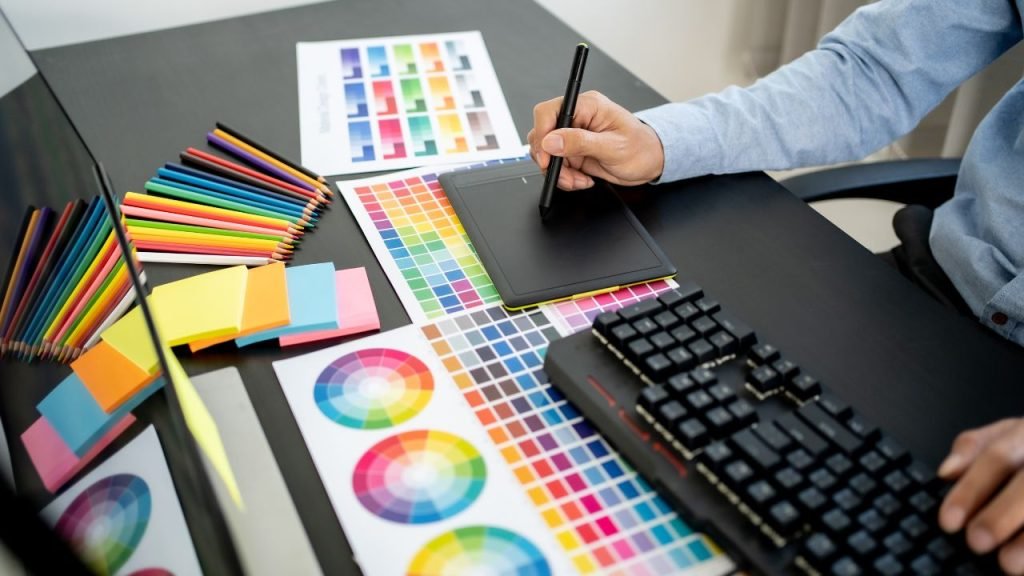
Top Qualities Of A Graphic Designer Join Course Introduction Graphic design is more than knowing how to use Photoshop, Illustrator or other design software. A professional graphic designer needs to understand visual communication, creativity, typography, composition, branding, audience behaviour and problem-solving. Software helps a designer create the final output, but the quality of the design depends largely on the decisions behind it. A strong designer asks: Who is this design for? What should the audience understand? What should they notice first? What action should they take? These questions separate design execution from genuine design thinking. Here are some of the most important qualities that can help a graphic designer build a successful career. Whether you’re a beginner or aspiring professional, understanding what makes video editing effective is crucial. Good editing is not just about cutting clips—it’s about storytelling, pacing, emotion, and audience engagement. In this article, you’ll learn the key elements that define great video editing, along with practical tips to improve your skills. Whether you are a student, job seeker, or freelancer, learning video editing can open doors to high-paying opportunities. Especially in areas like Kukatpally and KPHB, where top training institutes and media companies are located, the scope is even greater. You will learn the fundamentals of video editing, including cutting, trimming, transitions, color correction, audio syncing, and storytelling techniques. The training covers industry-standard software such as Adobe Premiere Pro, After Effects, and Audition, ensuring you gain hands-on experience with tools used by professionals. 1. Creativity Creativity is one of the most obvious qualities associated with graphic design. A designer needs to develop fresh visual approaches rather than simply copying existing designs. Creativity can help with: Concept development Campaign ideas Brand identity Layouts Typography Visual storytelling Advertising concepts However, creativity does not mean making something unusual just for the sake of being different. Good design uses creativity to solve a communication problem. 2. Strong Visual Observation Good designers notice details that many people overlook. They pay attention to: Spacing Alignment Colour combinations Typography Proportions Image quality Visual hierarchy Consistency Developing observation skills can improve design judgement over time. A useful habit is to analyse professional advertisements, websites, packaging and social media designs. 3. Understanding of Design Principles A professional designer needs a strong understanding of fundamental design principles. These include: Balance Contrast Alignment Proximity Repetition Hierarchy White space Scale Rhythm These principles help designers organise information clearly. Without them, even technically polished designs can appear confusing or unprofessional. 4. Typography Skills Typography is one of the most important skills in graphic design. A designer needs to understand: Font selection Font pairing Font hierarchy Line spacing Letter spacing Alignment Readability Text proportions Typography should support the message rather than compete with it. For example, a corporate brand may require a completely different typographic approach from a children’s entertainment campaign. 5. Colour Sense Colour can influence how people perceive a design. Graphic designers should understand: Colour theory Colour harmony Contrast Brand colours Colour psychology Accessibility Print vs digital colour A designer should not choose colours simply because they personally like them. The choice should support: 6. Communication Skills Graphic design is visual communication. A designer needs to understand what the client or organisation is trying to communicate and translate that information into visuals. This requires: Listening Asking questions Understanding briefs Presenting ideas Explaining design decisions Receiving feedback A designer who communicates well can often solve problems more effectively than someone with stronger software skills but poor communication. 7. Ability to Understand the Audience A design is created for an audience, not only for the designer. Before creating a design, consider: Who will see it? What do they already know? What information matters to them? Where will they see it? What action should they take? A design for a college student may look very different from a design created for a financial institution. Understanding the audience helps designers make appropriate creative decisions. 8. Problem-Solving Ability Graphic design is essentially a visual problem-solving discipline. A client may say: “Our brand does not stand out.” The designer must determine why. The solution could involve: Typography Colour Layout Photography Brand positioning Visual hierarchy Good designers do not simply decorate information. They identify the communication problem and create a visual solution. What Makes a Good Graphic Designer Different From a Great One? A good designer may know how to create attractive designs. A great designer understands why the design needs to look that way. A good designer may follow a brief. A great designer can identify problems within the brief and suggest better solutions. A good designer may know several tools. A great designer knows when and why to use them. The difference is often not software knowledge. It is design thinking. Qualities Employers Look For in Graphic Designers When hiring a designer, employers may look beyond software knowledge. They may value: Strong portfolio Creativity Attention to detail Communication Ability to follow a brief Problem solving Time management Adaptability Teamwork Willingness to learn This is why a candidate with fewer software skills but a strong portfolio and design understanding can sometimes be more valuable than someone who lists many software packages without demonstrating practical ability. Learn Graphic Design in Hyderabad If you want to develop these qualities professionally, a structured Graphic Design Course in Hyderabad can provide a foundation in design principles, visual communication and industry-oriented software. MAAC KPHB’s current Multimedia & Graphics program covers areas including graphic design, typography, imagery, layout, Photoshop, illustration, photography, logo design, poster design, infographics, brand identity and web graphics. (maackphb.com) The centre also offers related creative learning paths including Animation, VFX, Gaming Design, Visual Arts and UI/UX, which can be useful for designers who want to expand into related digital disciplines. (maackphb.com) The goal should not simply be to learn software. A stronger learning path is: Design Fundamentals → Software Skills → Practice → Projects → Feedback → Portfolio → Specialisation Enroll now or book a free demo class today!